Below the waterline care on the non tidal Thames is different to coastal work. The chemistry of fresh water changes which anode to fit, and the growth profile changes what antifouling actually needs to do.
Anodes: zinc, aluminium, or magnesium
- Zinc is the default for sea water, and it barely works in fresh water. Wrong choice for the Thames.
- Aluminium is the safe all rounder and works in brackish and fresh water both.
- Magnesium is the proper fresh water anode, with the strongest protection in low conductivity water.
If your boat moves between the tidal and non tidal Thames, aluminium is the sensible compromise. If you stay above Teddington, magnesium gives the best protection.
When to replace anodes
Replace any anode that is below half its original mass. Replace any anode that looks crystalline, white, or chalky rather than smooth. Always replace in pairs and clean the mating face so you get a good electrical bond to the hull.
Antifouling for the non tidal Thames
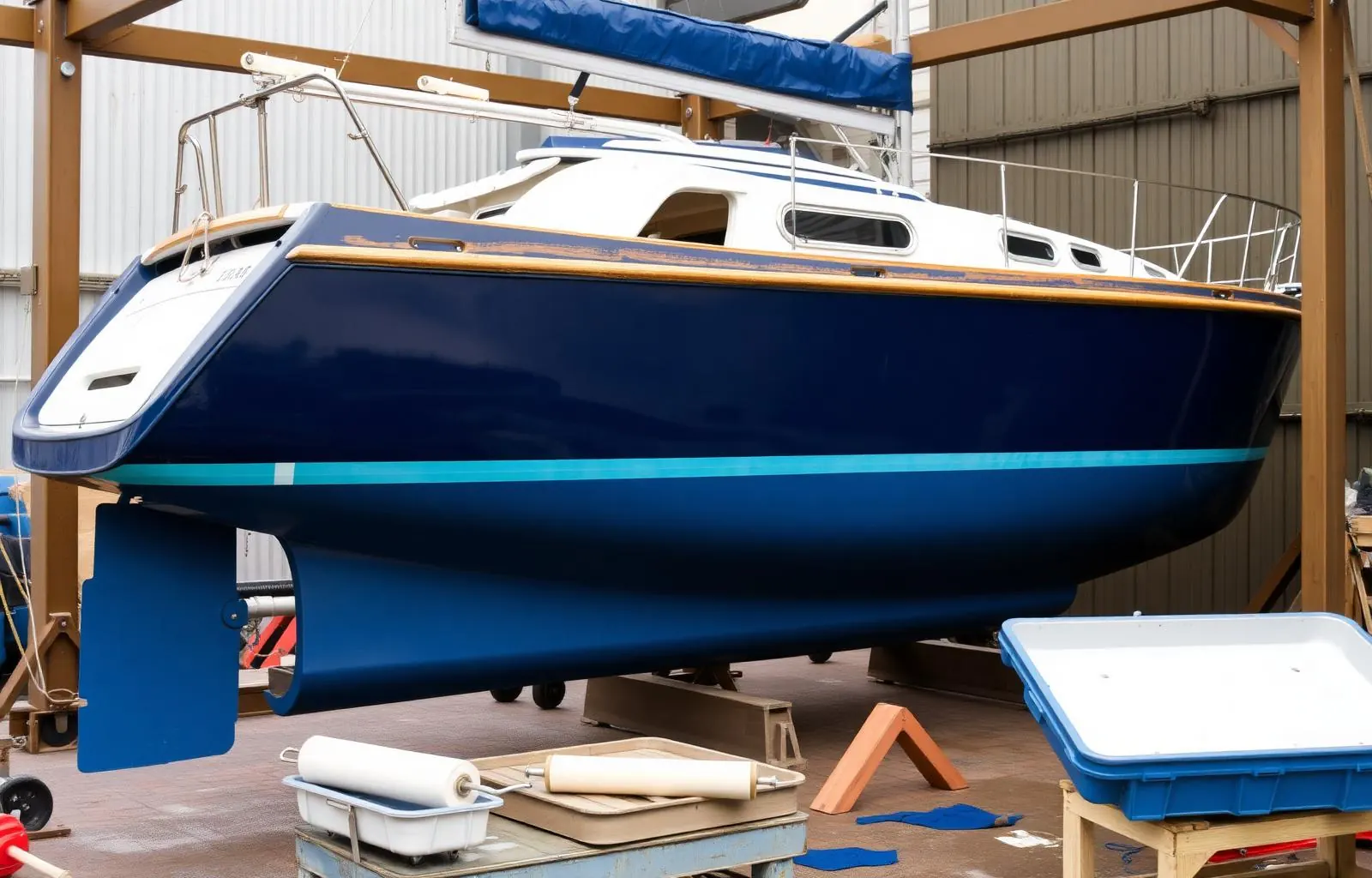
Thames growth is mostly slime and weed rather than the hard fouling you get at sea. A good fresh water antifoul applied properly typically lasts a full season, sometimes two if the boat is used regularly. The single biggest factor is prep, not the product.
Plan it around your lift
Anode and antifouling work is best planned around a scheduled lift. Oli works with several yards on the Thames and can attend during your lift slot to handle anodes, antifoul touch ups, and below the waterline inspection.