
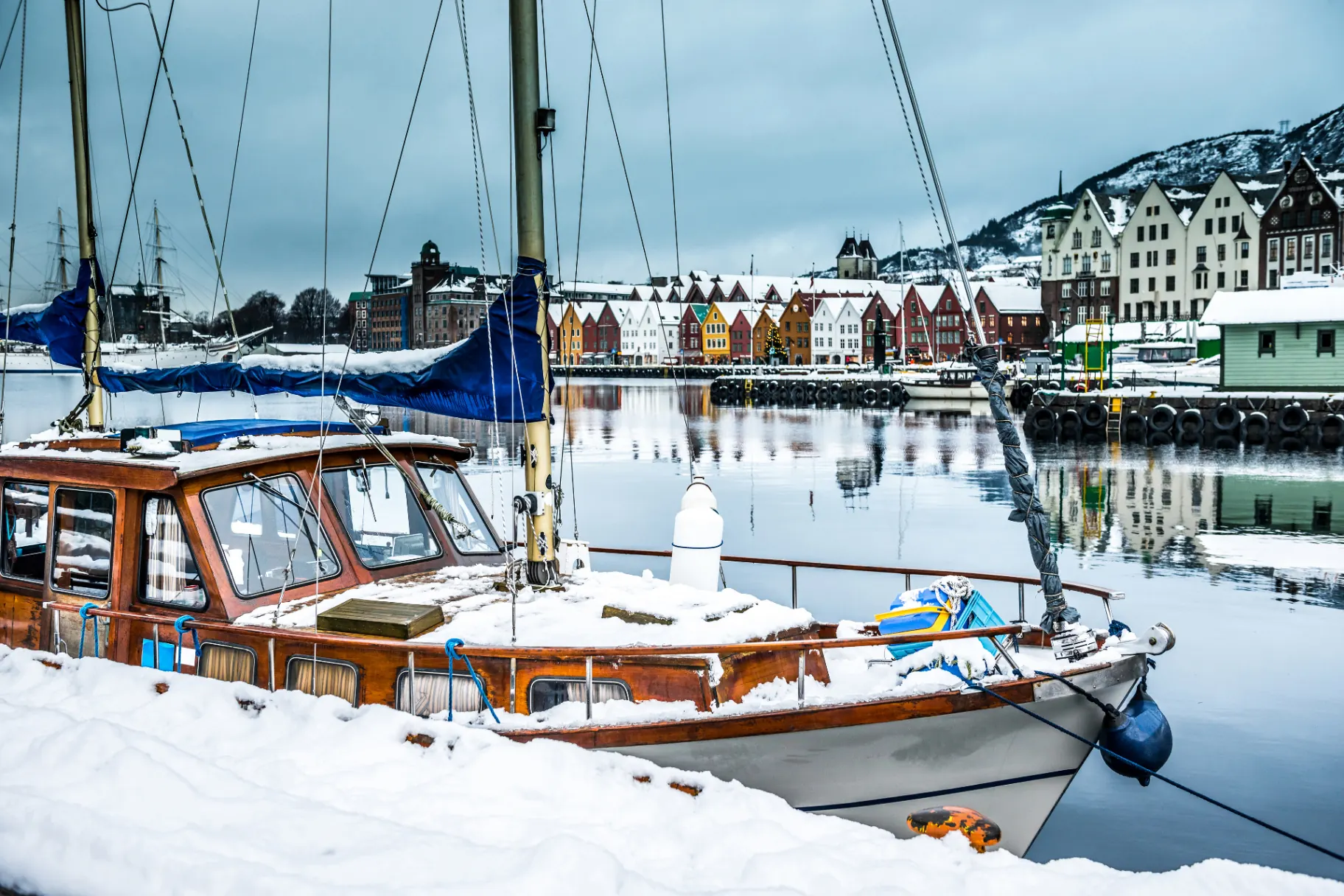
Winterisation is the single most cost effective thing you can do for a boat in the UK. A frost split exhaust elbow, a cracked heat exchanger, or a freeze burst calorifier will easily cost more than five years of proper lay up done correctly. Here is the order I work through on the Thames.
Time it around the stoppages
The Environment Agency winter stoppage programme on the Thames typically runs from November to March. If your boat needs to move for any reason, plan around it. Most winterisation jobs are done at the mooring, but it is worth knowing what locks are open when.
Engine and raw water side
- Run the engine up to temperature and change the oil and oil filter while it is warm.
- Replace the primary and secondary fuel filters and fill the tank to reduce condensation.
- Close the seacock, remove the raw water intake hose, and draw a 50:50 antifreeze mix through the engine until it runs clear from the exhaust.
- Inspect and remove the impeller for storage so it does not take a set.
Freshwater and heads
- Drain the calorifier and the freshwater tank, then pump non toxic pink antifreeze through every tap, the shower, and the deck wash.
- Pump antifreeze through the heads inlet and discharge so nothing in the macerator or joker valve can freeze.
- Open all taps a quarter turn so any residual water has room to expand.
Batteries and electrical
Lead acid and AGM banks need to be left fully charged with a maintenance charger left on, or fully charged and disconnected. A flat battery in a cold boat is a dead battery by spring. Lithium banks usually want to be left at around 50 percent state of charge with the BMS active. Check the manufacturer guidance for your specific cells.
Book it before the rush
Winterisation diaries fill up fast from late October. If you would like Oli to handle yours, book in early. Slots on the Thames between Teddington and Oxford go quickly, particularly the week before the first hard frost is forecast.
